How to Audit a Skincare OEM Manufacturer in China
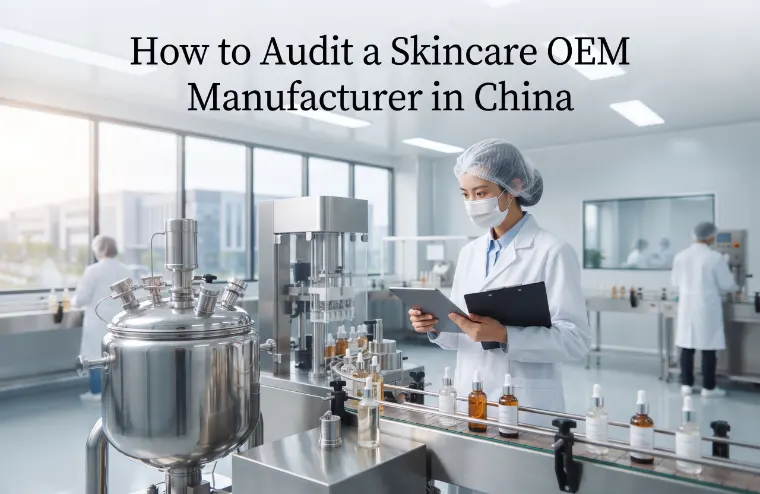
Choosing a skincare OEM manufacturer should involve more than reviewing a website or comparing quotations.
A proper supplier evaluation should look at:
A factory audit or structured supplier review can help you understand whether a manufacturer is actually capable of supporting your product project.
What Should a Skincare Factory Audit Cover?
A practical audit can be divided into seven areas:
1. Company Information
Start with the basics.
Review:
- Legal company information
- Manufacturing location
- Facility information
- Business scope
- Export experience
- Main product categories
Make sure the information you receive is consistent across:
- Company profile
- Factory address
- Quotations
- Contracts
- Product documentation
2. R&D Capability
This is especially important for OEM/ODM projects.
Ask:
- Is there an in-house R&D team?
- Can they customize formulas?
- Can they support benchmark development?
- How are samples managed?
- Who approves formulation changes?
- How is formula information documented?
A manufacturer that only supplies ready-made products may not be suitable for deep ODM work. The development models are compared in private label vs custom ODM.
3. Manufacturing Capability
Review:
- Manufacturing equipment
- Production lines
- Product formats
- Filling equipment
- Mixing equipment
- Production capacity
- Pilot production capability
Do not only look at the size of the factory.
Ask: Can this facility consistently produce our specific product format?
4. Quality Control
Ask the factory to explain its quality process.
Incoming Raw Materials
How are raw materials checked?
Production
How are batches controlled?
Filling
How is filling consistency monitored?
Finished Product
What checks happen before release?
Traceability
Can a finished batch be traced to relevant records?
This gives you a better understanding of whether quality control is built into the process.
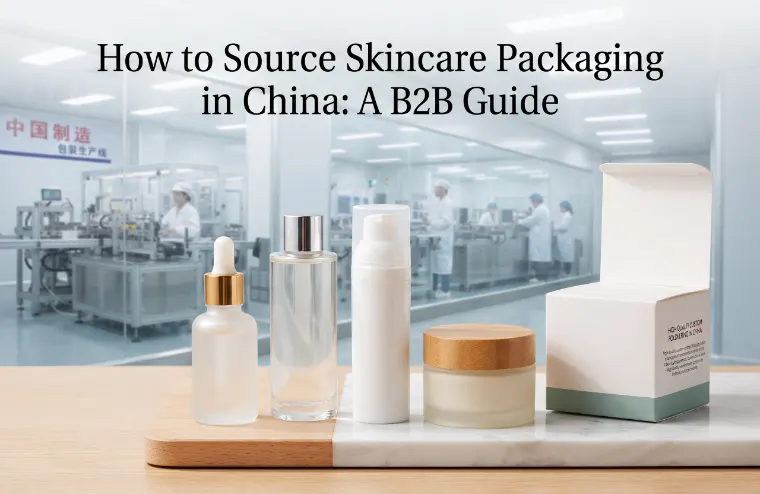
5. Packaging and Supply Chain
Review whether the manufacturer can support:
- Packaging sourcing
- Bottles
- Jars
- Pumps
- Droppers
- Tubes
- Labels
- Boxes
- Custom components
Also ask about Packaging MOQ, Lead Time, Supplier Management and Component Storage.
Packaging can become a significant project risk if it is managed separately from the formula and production schedule. Sourcing options are covered in how to source skincare packaging in China.
6. Documentation
Ask what documentation is available for the specific product.
Depending on the market and project, documentation may include:
- Product specifications
- Ingredient information
- Testing documents
- Quality documents
- Packaging information
- Production records
- Market-related documentation
Do not assume every supplier provides the same documentation package. Market-specific requirements are illustrated in product development for Middle East & GCC markets.
7. Communication and Project Management
International OEM projects involve many decisions.
Evaluate:
- English communication
- Response time
- Sample feedback management
- Change management
- Project tracking
- Production updates
- Documentation handling
A technically capable factory can still become difficult to work with if project communication is poor.
Factory Audit Checklist
| Area | Questions |
|---|---|
| Company | Is the factory information clear and consistent? |
| R&D | Can formulas be developed or customized? |
| Production | Can the factory manufacture your product format? |
| Quality | How are materials and finished products checked? |
| Packaging | Can formula and packaging be coordinated? |
| Documentation | What documents are available? |
| MOQ | What determines MOQ? |
| Communication | Who manages the project? |
| Scalability | Can capacity grow with your brand? |
What Should You Inspect During a Factory Visit?
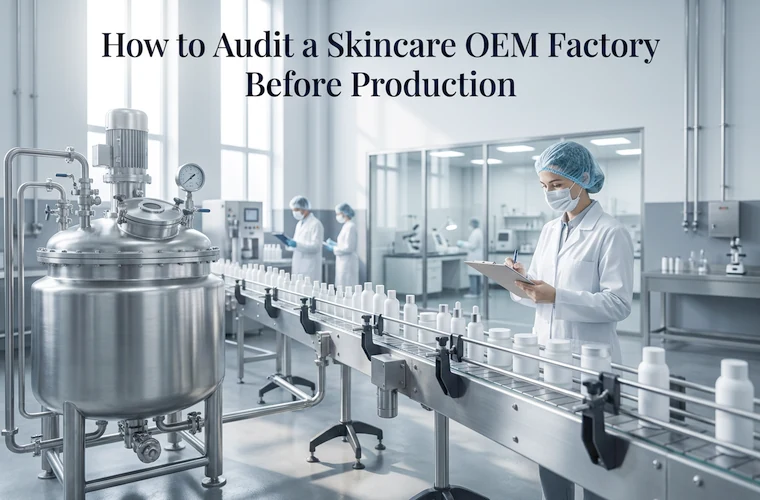
If you visit the factory, pay attention to:
Production Areas
Are the facilities organized and appropriately controlled?
Raw Material Storage
How are materials identified and handled?
Production Equipment
Is the equipment appropriate to your product types?
Filling Areas
How is filling managed?
Quality Control Areas
Is there a defined quality-control workflow?
Packaging Storage
Are packaging components organized and traceable?
Finished Goods
How are finished products stored and managed?
The goal is not to judge a factory by appearance alone. The objective is to understand the manufacturing system.
What If You Cannot Visit the Factory?
International buyers cannot always travel to China.
You can still conduct a structured evaluation using:
- Live video calls
- Factory videos
- Facility photographs
- Certifications
- Product documentation
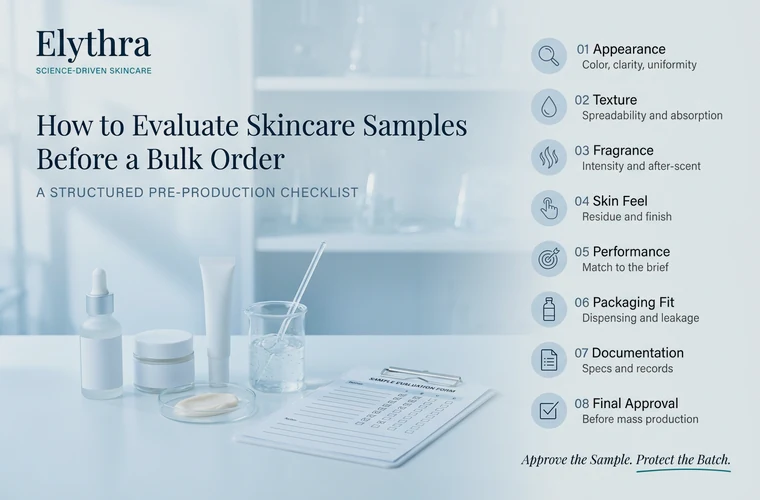
- Sample evaluation
- Third-party audits
- Detailed supplier questionnaires
A combination of evidence is generally more useful than relying on a single factory presentation.
Common Audit Mistakes
Focusing Only on Certificates
Certificates are useful, but they do not answer every question about the supplier.
Looking Only at Factory Size
Large does not automatically mean suitable.
Ignoring R&D
For customized products, R&D capability can be critical.
Ignoring Packaging
Packaging problems can delay a project just as easily as formula issues.
Not Testing Samples
Always evaluate the actual product.
A Better Supplier Evaluation Method
Rate the supplier internally across:
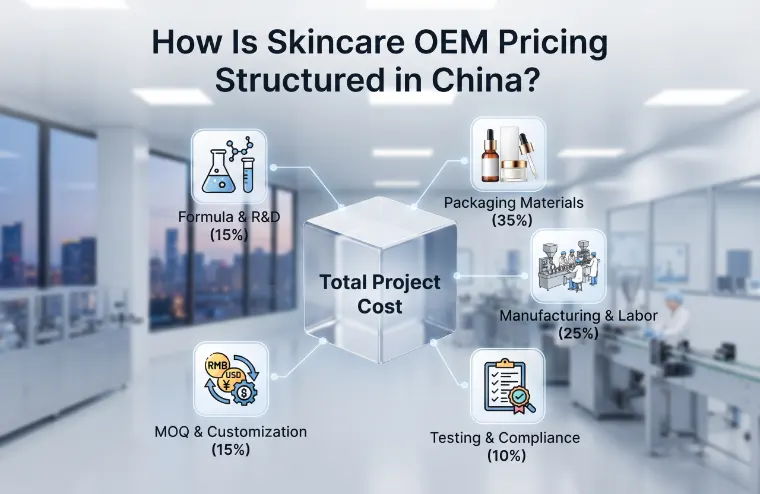
This creates a more objective comparison than comparing price alone. How quotes differ between suppliers is explained in how skincare OEM pricing is structured in China.
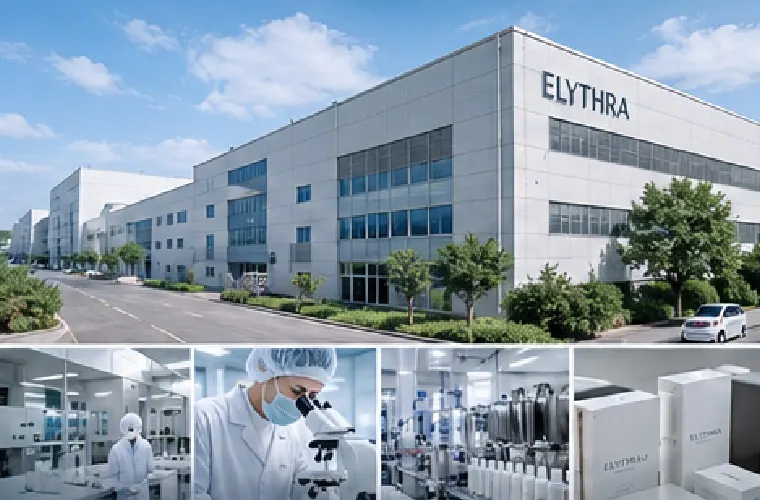
How Elythra Beauty Approaches Manufacturing
Our manufacturing and development workflow combines:
The goal is to connect formulation, manufacturing and packaging support within one coordinated OEM/ODM project workflow.
You can find out more about the facilities and background in About Us.
Final Takeaway
A Chinese skincare OEM factory should be evaluated as a potential long-term product-development partner.
The most important questions are not only “What is your price?” or “What is your MOQ?”
They are:
A structured first review of supplier options is provided in how to choose a skincare OEM manufacturer in China.
Ready to Develop Your Skincare Line?
Share your product concept, target market and estimated quantity. Our team reviews your brief and comes back with a formulation and production proposal.